As an immigrant, how do you embrace your current identity while staying connected to the culture of your birthplace?
I spent years, decades even, trying to be American: understanding (American) football, learning how to count in feet, and developing a taste for macaroni and cheese. It wasn’t easy.
Then one day, I realized I had enough of assimilating: I wanted to, needed to, reconnect with my Polish roots.
A Polish alien in New York
This was a bit confusing. When I was a kid, I was embarrassed of being Polish—mainly because no one knew where or what Poland was, which made me feel like an alien. As a kid fresh off the plane from Poland, I was also taken advantage of and misunderstood (literally and figuratively) by my peers and teachers. I attributed this to my “otherness”. So, for most of my childhood, I wasn’t very keen on learning about my foreign background.
As I grew older, I began to take an interest in my family history. As I read about the incredible stories of my grandparents’ resilience during the Nazi and Soviet invasions and listened to my parents recount their experiences in Communist Poland, I realized I was severely lacking in knowledge of Polish history. Sure, I knew major events, but I had substantial gaps that prevented me from fully appreciating not only the experiences of my family but of the Polish people as a whole.
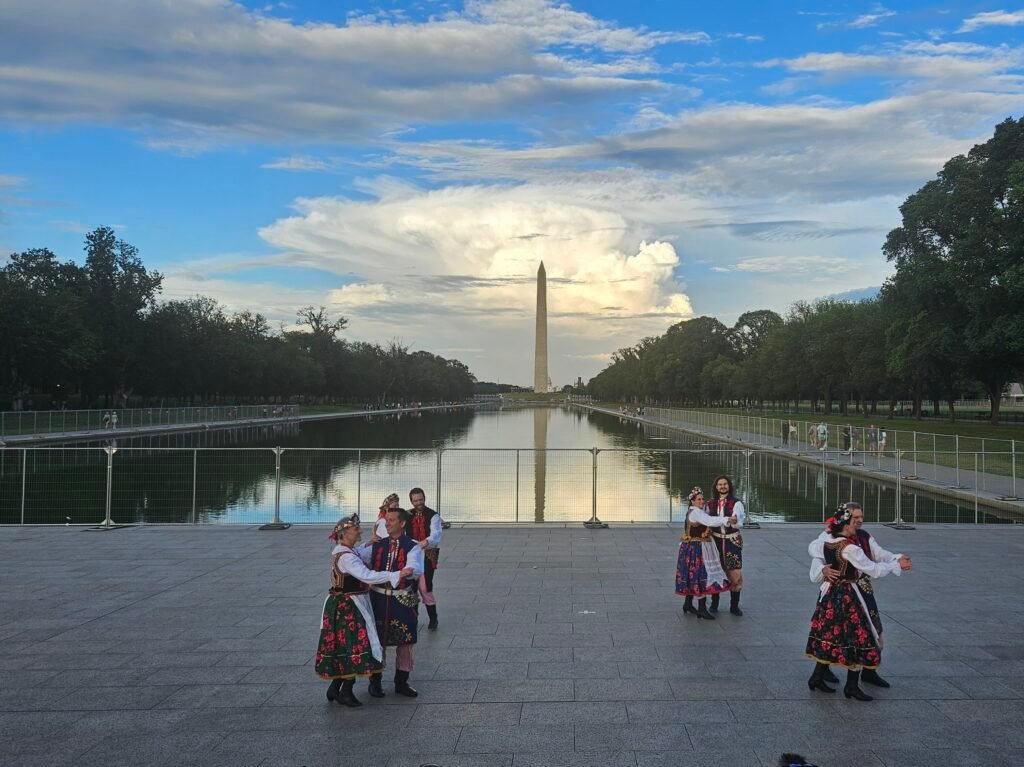
So, I started learning: Polish history, traditions, dances, regions, famous people, music, you name it. I had a lot of catching up to do. It was like I was finally mentally free to enjoy the culture of my birthplace.
The competing identities of an immigrant
My experience is not unique. Immigrants often juggle multiple identities, not feeling fully confident in any of them. This may lead to feelings of loneliness, isolation, and misunderstanding.
“As a second-generation immigrant, you are constantly torn between honoring your family history and accepting the modern culture in which you found yourself.”
This is all completely normal. As humans, we have an immense need to belong. A sense of belonging promotes connectedness, resilience, and overall well-being.
A lot of research has been done on this topic. In their 2021 paper, referencing previous work as well as their own, Allen and colleagues emphasize that belonging is crucial for survival.
“A need to belong—to connect deeply with other people and secure places, to align with one’s cultural and subcultural identities, and to feel like one is a part of the systems around them. ”
In a world where people feel increasingly isolated as a result of, among other things, advances in technology and shifts in community structure, the need to belong is more important than ever.
This is partly why choosing to embrace ones culture after so many years of trying to assimilate into a new world, can be so tempting and fulfilling. Still, it might lead to questions like:
- Are you no longer happy where you are?
- Did you make a mistake?
- Why didn’t you do this earlier?
- Who are you, anyway?!
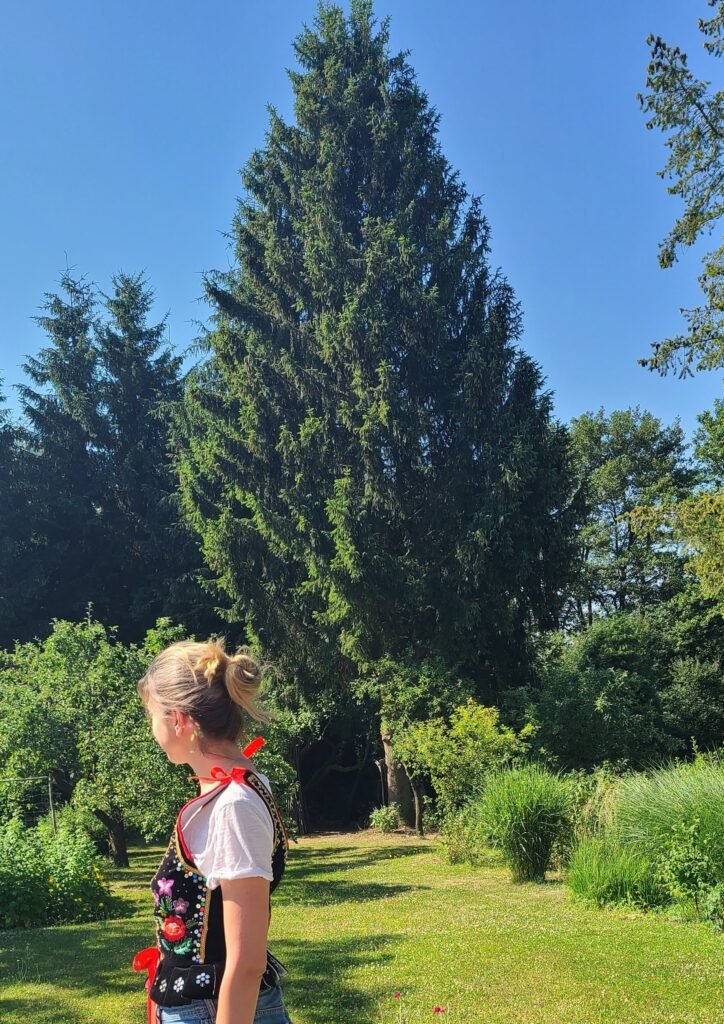
Most likely, you’re just searching for connection. Research has shown that cultural identity can have a positive effect on the sense of meaning in life, especially for collectivist cultures. In addition, Roberts and Burleson found that a strong ethnocultural identity is associated with better psychological health, which may be linked to the connectedness that arises from being affiliated with a certain culture. You may have found that connecting to your culture just feels good and adds meaning to your life. It doesn’t mean that you’re abandoning your current identity, you’re simply weaving in the colorful threads that make you you.
Perhaps you are at a crossroads in your life, and are simply contemplating your decisions. That’s okay too. The world is a difficult, confusing place right now. Either way, you may find connecting to your past a worthwhile, inspiring exercise.
Connecting to your culture
“Like so many immigrant children, I didn’t belong — here, there or anywhere.”
Over the years, I have been fortunate to have the resources to stay connected to my home country. The following list includes activities that I’ve found particularly helpful in helping me maintain that connection:
- Connecting with people from back “home”: It helps that much of my family is still in Poland, serving as a direct connection to my birthplace. If you do not have family or friends whom you can connect to back home, consider joining online communities with individuals who live in your home country.
- Finding a community in your current country: As a kid in Brooklyn, I went to Polish school on Saturdays, my parents and I attended Polish mass, and we’d shop at the nearby Polish store. If you’re not aware of local groups aligned with your culture, search for larger organizations (e.g. the Polish American Association) that may have local chapters or information on nearby events.
- Experiencing traditions: Being able to experience traditions is a great way to feel more connected, and to learn how to adopt them if that is your goal. The embassy or consulate of your country is likely to have various events. If your culture includes religious elements, you may want to explore cultural connections at places of worship. (For example, I was pleasantly surprised to learn that my local church does the Eastern European tradition of Easter basket blessing!)
- Participating in events (e.g. talks, concerts): If you live in or near a city, you may find opportunities for engaging in events related to your home country (e.g. for Polish events, see this calendar from the Kosciuszko Foundation). Even if you cannot attend in person, many events are now available online. This is a great way to learn about and stay in touch with different aspects of your culture.
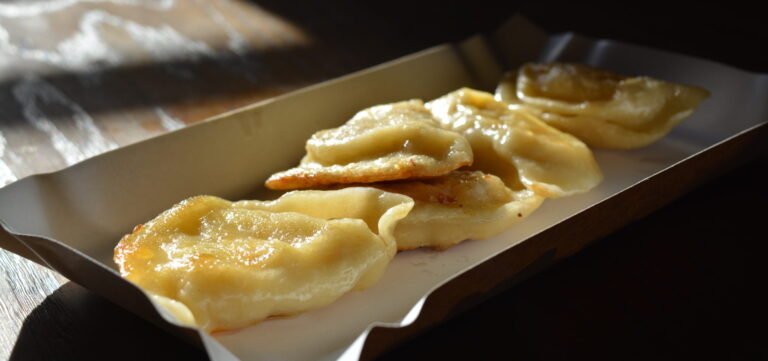
- Enjoying products from your home country: Having the Polish store nearby was a Godsend. The ability to procure items like kielbasa, farmer’s cheese, sauerkraut, and Polish newspapers had an immensely positive impact on my parents and I when we first moved to the US. Nowadays, it helps me stay connected as I make Polish foods, enjoy my favorite Polish sweets, and want to feel like I’m back in a store in Poland for a few minutes!
- Being able to freely share your stories: Last, but not least: it is incredibly helpful to be able to freely share stories about your immigrant journey and culture. Sharing these stories will not only provide a new perspective for others, but may help you gain confidence in yourself.
Embracing the present
Delving into the history, traditions, and culture of your home country can be a beautiful, rewarding endeavor. Just remember to not get lost in the past: enjoy every day moments and remember how far you’ve come in your immigrant journey.
Resources
Allen, K. A., Kern, M. L., Rozek, C. S., McInereney, D., & Slavich, G. M. (2021). Belonging: A Review of Conceptual Issues, an Integrative Framework, and Directions for Future Research. Australian journal of psychology, 73(1), 87–102. https://doi.org/10.1080/00049530.2021.1883409
Roberts, N. A., & Burleson, M. H. (2013). Processes linking cultural ingroup bonds and mental health: the roles of social connection and emotion regulation. Frontiers in psychology, 4, 52. https://doi.org/10.3389/fpsyg.2013.00052
Salam, M. (2021). ’90s sitcoms shaped me as an immigrant child. What if they hadn’t? New York Times, 10, 21. https://www.nytimes.com/2021/10/21/arts/television/sitcoms-1990s-immigration-assimilation.html
Zhou, S., Jiang, L., Li, W., & Leng, M. (2025). Meaning in life from a cultural perspective: the role of cultural identity, perceived social support, and resilience among Chinese college students. Humanit Soc Sci Commun, 12, 91. https://doi.org/10.1057/s41599-025-04424-8